
This is one of the more practical questions that comes up regularly in professional kitchens – should you be using fresh tomatoes or canned tomatoes for everyday cooking at scale? The answer depends less on preference and more on what your operation actually demands.
Fresh tomatoes have a place. Canned tomatoes have a different kind of place. For high-volume commercial kitchens handling dozens or hundreds of covers daily, the variables are different from a home kitchen. Consistency, speed, waste, storage, and cost matter at a level that fresh produce rarely accommodates well.
Dr. Smith has been supplying HoReCa kitchens across Delhi and nearby regions for over 25 years. In that time, the feedback from chefs, kitchen managers, and procurement teams has been consistent.
In this blog, we’ll explore how both options perform across the key operational parameters that matter in a professional kitchen. We will also discuss where Dr. Smith canned tomatoes and tomato puree tin fit into this picture. Keep reading!
Where Fresh Tomatoes Fall Short at Scale
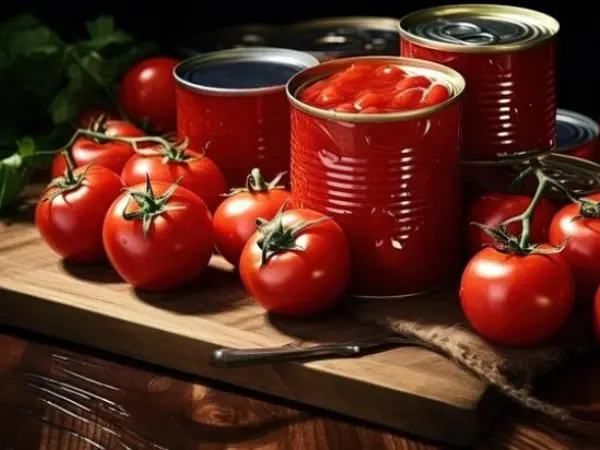
Fresh tomatoes are not a bad ingredient. The issue is what happens when you depend on them daily at volume.
Quality Changes with the Season
Tomato quality in India varies noticeably across seasons. Summer and winter tomatoes differ in color intensity, acidity, and water content. Monsoon tomatoes are often pale, watery, and lower in flavor concentration.
For a kitchen that serves the same dish every day of the year, this seasonal variation creates a problem. Your gravy, your sauce, your base does not taste the same from month to month, and there is no easy fix for that at the ingredient level.
Prep Time Is a Real Cost
Blanching, peeling, deseeding, and grinding fresh tomatoes is not quick. For a kitchen processing 3 to 5 kilograms of tomatoes daily, that can mean 45 to 60 minutes of staff time before cooking even begins.
Across a six-day work week, that labor cost adds up. In kitchens where staff turnover is common, this prep dependency also creates a training burden.
Spoilage Affects Margins
Fresh tomatoes have a short usable window, especially in warmer months. Over-purchasing leads to spoilage loss. Under-purchasing disrupts service.
Both are problems that affect your daily food cost, and there is no clean way around it unless you are buying very small quantities very frequently, which creates its own procurement inefficiency.
Pricing Volatility
Tomato prices in Delhi fluctuate significantly across the year. There are periods where prices spike sharply due to weather, transport disruptions, or supply shortages.
Kitchens that depend entirely on fresh tomatoes absorb those price swings directly into their food cost, with limited ability to plan ahead.
Where Canned Tomatoes Perform Better for Commercial Operations
Canned tomatoes are processed at peak ripeness. That is the key point.
The tomatoes going into the can are at their best when they are processed, which means you get consistent flavor, color, and acidity regardless of what season it is or what the spot price of fresh tomatoes happens to be.
Consistency You Can Build Recipes Around
Recipe standardization is only possible when your base ingredients behave the same way every time. Canned tomatoes deliver that. Whether it is January or August, the acidity, water content, and flavor profile remain stable.
Your kitchen can document a recipe and trust that it will produce the same result across shifts, staff changes, and months.
No Prep Required
Open the tin and it is ready to use. For kitchens running busy service periods, this removes a significant prep dependency. Staff focus on cooking, not on processing raw produce.
Cloud kitchens running multiple brands especially benefit here, since they need to move quickly across different menus with a lean team.
Longer Shelf Life Supports Better Inventory Planning
Canned tomatoes can be stored for months without refrigeration. This allows kitchens to buy in bulk, take advantage of volume pricing, and maintain a stable pantry without the daily risk of spoilage.
Inventory planning becomes straightforward when your core ingredients have a long and predictable shelf life.
Stable Pricing Through Bulk Purchasing
When you buy canned tomatoes in bulk from a reliable supplier, your per-unit cost is fixed. You are not exposed to spot market price fluctuations.
For procurement teams managing monthly food budgets, this predictability is genuinely useful.
Where Dr. Smith Canned Tomatoes and Tomato Puree Tin Fit In
Dr. Smith supplies canned tomatoes and tomato puree tin to restaurants, cloud kitchens, hotels, catering operations, and gourmet kitchens across Delhi. Our products are processed to maintain consistent quality across batches, and we supply in bulk formats suited to commercial volumes.
Our tomato puree tin is particularly well-suited to kitchens that need a ready-to-use gravy base. It arrives at the right consistency, requires no further processing, and delivers a stable flavor profile that chefs can build standardized recipes around.
For tomato puree in Delhi, we supply regularly to operations across the city and nearby regions.
If your kitchen is already using canned tomatoes from us, the tomato puree tin is a natural extension.
It removes one more preparation step and gives your team a consistent, reliable base to work from.
Takeaway
The fresh versus canned question is not really about which tastes better in isolation. It is about what works reliably at the volume and pace your kitchen operates at.
For most commercial cooking applications, canned tomatoes offer better consistency, lower prep burden, reduced waste, and more predictable costs.
Dr. Smith has been part of Delhi’s HoReCa supply chain for over 25 years. Our canned tomatoes and tomato puree tin in Delhi are trusted by kitchens that need to get it right every service, not just occasionally.
Contact us today for bulk pricing on canned tomatoes and tomato puree tin. Join hundreds of restaurants, cloud kitchens, and catering businesses across Delhi who have made the switch to a more reliable ingredient supply.
